A Year in the Life of a Gooseberry Bush: Month-by-Month Care
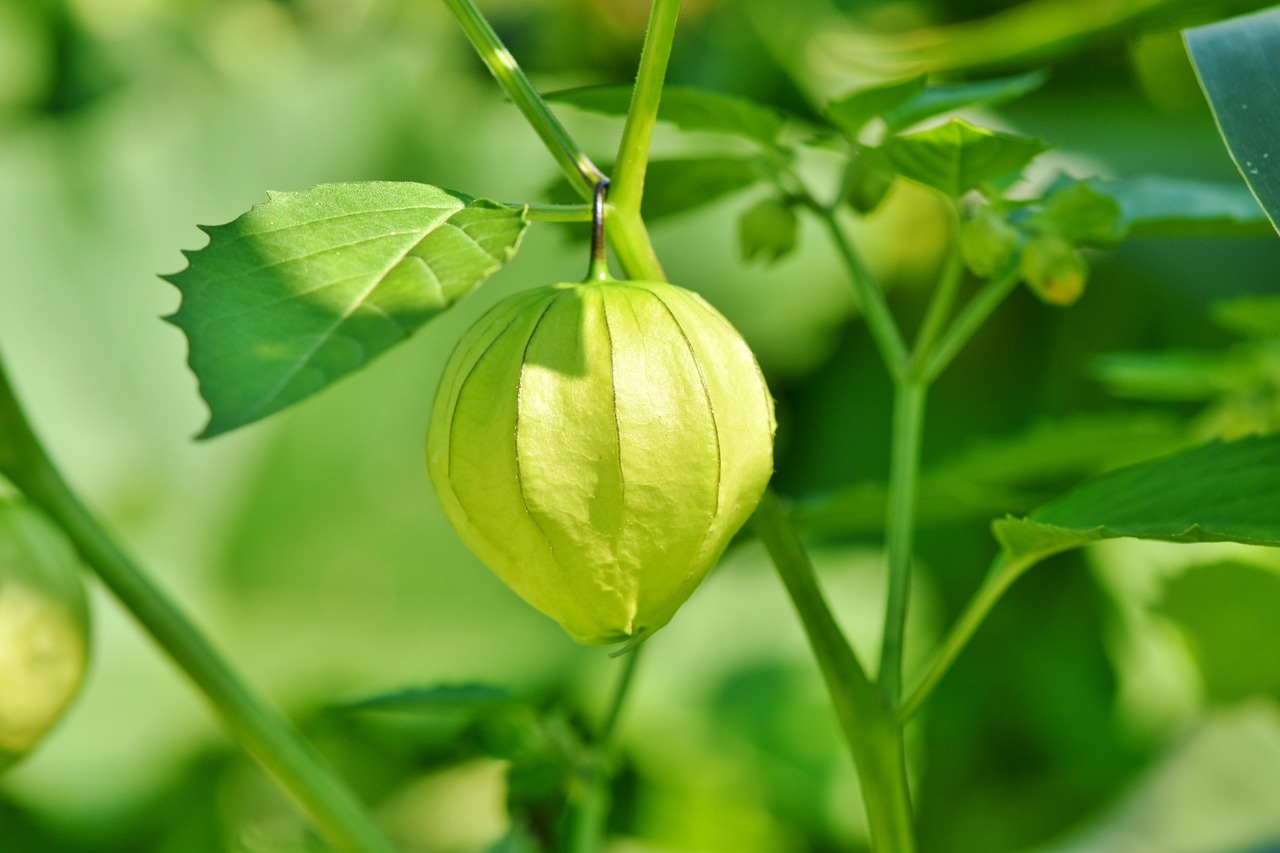
Gooseberries have a reputation for being fussy, but most of that reputation comes from gardeners who treat them like any other fruit bush. They are not. A gooseberry has its own rhythm, and once you tune into it, the plant becomes one of the most reliable soft fruits you can grow. The trick is to think in seasons rather than in single tasks.
Here is how a year with a gooseberry bush actually unfolds, and what you should be doing at each stage.
Spring: The Push to Flower and Set Fruit
By late winter the buds are already swelling, and by early spring the bush is covered in small, greenish-pink flowers that pollinators adore. This is the moment to feed. A balanced fertilizer or a generous mulch of well-rotted compost around the base gives the plant what it needs to push out new growth and hold onto its fruit. Avoid high-nitrogen feeds, which encourage soft leafy growth at the expense of berries.
Spring is also when you should be watching for the first signs of mildew. Gooseberries leaf out early, often before the weather has settled, and damp, still mornings are perfect for fungal problems. Good air circulation is your best defense, so keep the center of the bush open. If you pruned in winter, you should already be ahead here.
Water consistently once flowers appear. A bush that dries out during flowering will drop its fruit before you ever see it. A deep soak once a week is far better than a daily sprinkle.
Summer: Harvest, Protect, and Feed Again
Gooseberry season is short and intense. Depending on the variety, you will be picking from late June through August. Pick green for cooking and jam, or leave the berries until they soften and turn translucent for eating fresh. Either way, check the bush every couple of days, because ripe gooseberries go from perfect to mushy quickly.
Birds are the biggest summer threat. Netting works, but make sure it is taut and well anchored, because a loose net can trap birds rather than protect them. Alternatively, grow red or yellow varieties, which birds tend to ignore longer than green ones.
After harvest, give the bush a light feed and a good watering. This is the period when it builds reserves for next year. Many gardeners skip this step and then wonder why the following season is disappointing.
Summer is also when you take softwood cuttings if you want to propagate. Gooseberries root easily from cuttings taken in early summer, and a single healthy bush can give you a dozen new plants in a couple of years.
By autumn, the leaves will yellow and drop, and the bush will go quiet. This is the time for a final tidy, a layer of mulch, and a check for any dead or crossing branches you want to remove before winter. Then you wait. Gooseberries reward patience more than almost any other fruit, and a bush that is looked after through all four seasons will keep producing for fifteen years or more.