How to Espalier and Train Gooseberries Against a Wall or Fence
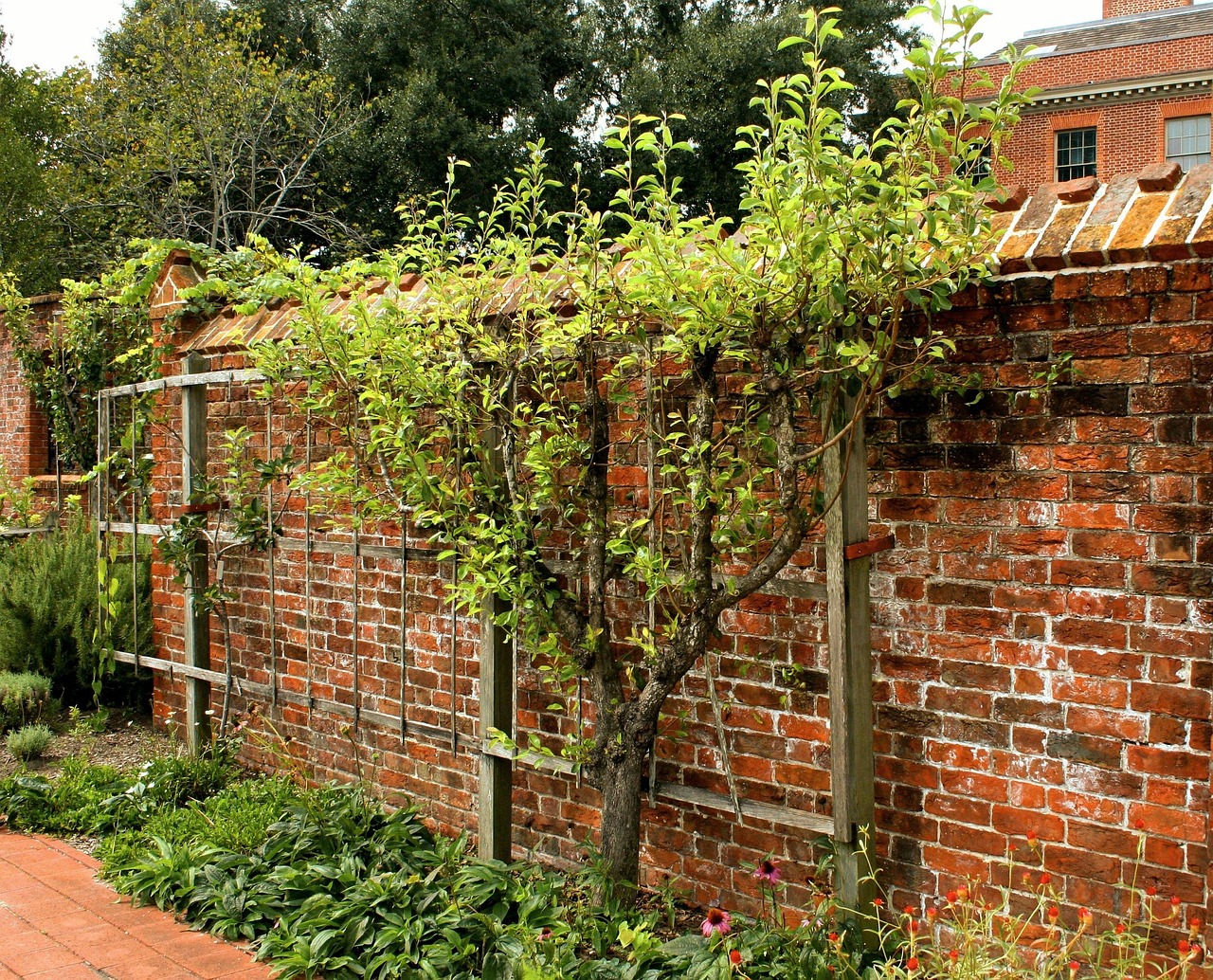
Gooseberries are naturally sprawling, thorny things, and left to their own devices they will happily colonize a corner of the garden and stab anyone who comes near. But they are also one of the most rewarding fruits to train. A gooseberry fan or cordon takes up almost no ground space, produces excellent fruit, and looks genuinely handsome against a wall or fence. It is also one of the oldest tricks in the kitchen garden, and it works just as well today.
The principle is simple. Instead of letting the bush grow in every direction, you choose a handful of permanent branches and tie them to a support, then cut back everything else. The plant puts its energy into fewer stems, which means bigger, better berries and far less mildew, because air moves freely through an open framework.
Choosing a Shape and Setting Up the Support
The two most practical shapes for a home garden are the fan and the single-stem cordon. A fan suits a wall or fence and gives you a broad, flat spread of fruiting wood. A cordon is a single upright stem trained at an angle, and it is perfect for a narrow strip or a row along a path.
Start with a young plant, ideally a one-year-old bare-root bush planted in autumn or winter. For a fan, plant it about thirty centimeters from the wall, then set up wires spaced thirty centimeters apart and about thirty centimeters out from the wall. For a cordon, plant at a forty-five degree angle and run a single wire or cane along the line you want the stem to follow.
The first year is about building structure. Cut the young plant back hard to a bud about twenty centimeters above the ground, and let it produce new shoots. Select the strongest ones and tie them in. Remove everything else.
Summer Pruning and Ongoing Care
Once your framework is established, the yearly routine is straightforward. In early summer, shorten the side shoots that grow from your permanent branches to about five leaves. This concentrates the plant's energy into the fruit and keeps the shape open. In winter, while the plant is dormant, shorten those same shoots again to two or three buds and remove any growth that is heading in the wrong direction.
Keep the base of the plant clear of weeds and mulch well, but do not bury the stem. Water regularly during the growing season, especially in the first two years while the roots are getting established. Feed in early spring with a balanced fertilizer, and top-dress with compost in autumn.
The payoff comes quickly. A well-trained gooseberry will start fruiting in its second or third year and can keep going for decades. It is also far easier to pick, because the fruit hangs in reach rather than hiding in a thorny tangle. If you have ever cursed a gooseberry bush while harvesting, training it is the answer.