Freezing, Drying, and Storing Gooseberries So Nothing Goes to Waste
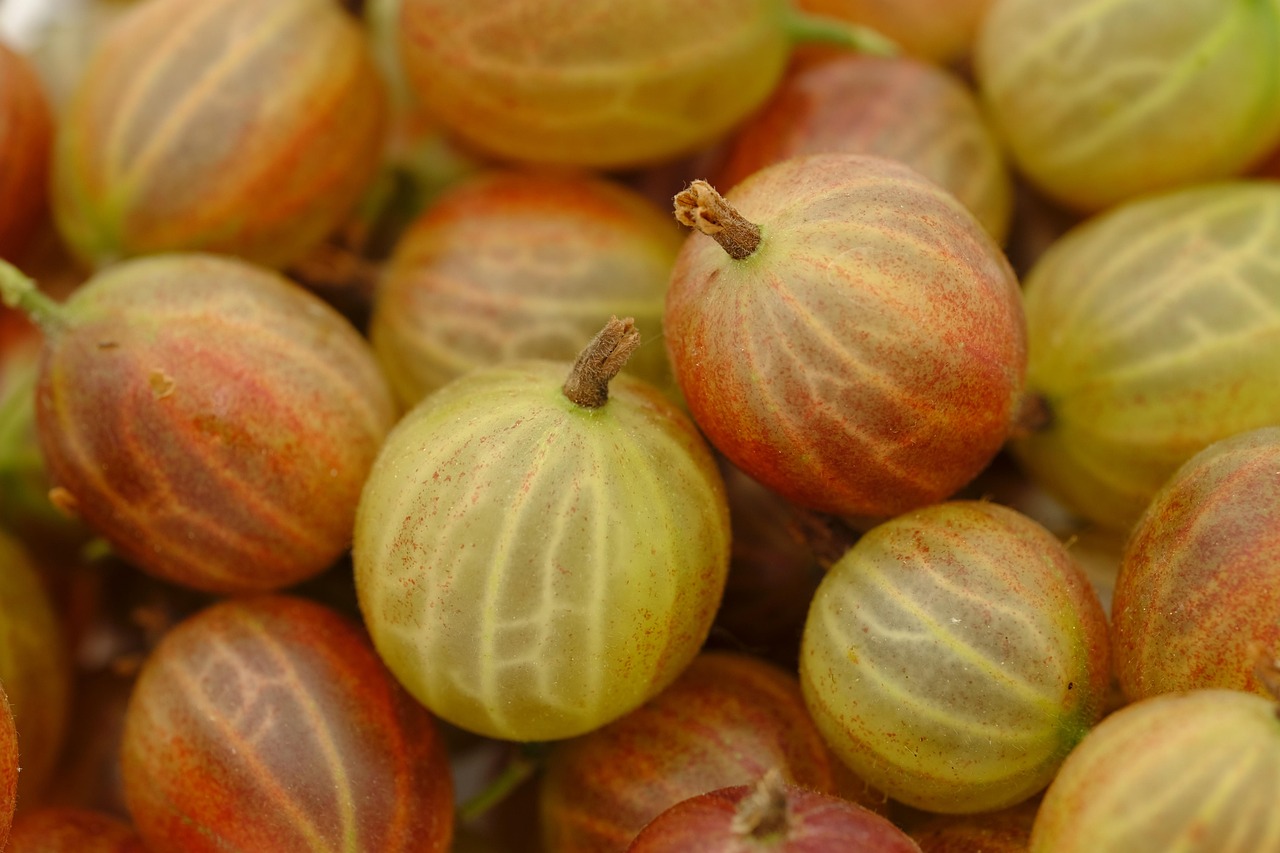
Gooseberry season is generous and short. One week you have a handful of berries, and two weeks later the bush is groaning and you are handing bags to neighbors. The good news is that gooseberries preserve beautifully, and with a little planning you can be eating them in December without any fuss. The methods are simple, and none of them require special equipment beyond a freezer and a few clean containers.
Freezing: The Easiest Option
Freezing is the fastest way to deal with a glut, and it preserves the flavor better than almost anything else. Start by topping and tailing the berries, which means pinching off the little stalk and the dried flower end. Rinse them in cold water and pat dry.
You can freeze gooseberries in two ways. The first is to spread them in a single layer on a baking tray and freeze until solid, then tip them into bags. This keeps the berries separate, so you can pour out exactly what you need. The second is to pack them straight into containers, which is quicker but gives you a solid block. For most home cooks, the tray method is worth the extra step.
Frozen gooseberries hold their shape reasonably well, though they will soften on thawing. That makes them ideal for pies, crumbles, jams, and sauces, but less good for eating raw. Use them within a year for the best flavor, and label the bags with the date and variety if you grow more than one.
One useful trick: freeze some berries already stewed with sugar. Cook them gently with a little sugar until they release their juice, cool, and freeze in portion-sized tubs. Then you have instant gooseberry compote for yogurt, porridge, or a quick pudding.
Drying, Bottling, and Other Methods
Drying gooseberries is less common than freezing but worth trying if you have a dehydrator or a warm, airy spot. Halve the berries and dry them at around 55 degrees Celsius until they are leathery but not brittle. They keep for months in an airtight jar and are excellent in granola or rehydrated for sauces. They also make a tart, chewy snack on their own.
Bottling is the traditional method and produces a lovely, soft fruit that is ready to eat. Pack clean jars with berries, cover with a light syrup made from one part sugar to three parts water, and process in a water bath. The exact time depends on jar size, so follow a reliable preserving guide for your equipment. Bottled gooseberries keep for a year or more in a cool, dark cupboard.
You can also make a simple gooseberry vinegar by steeping the fruit in cider vinegar for a few weeks, then straining and bottling. It is superb in salad dressings and marinades, and it uses up berries that are too small or too tart to bother with otherwise.
Finally, do not overlook the freezer's ability to hold fruit for jam later. If you are short on time during harvest, freeze the berries and make jam in the quiet weeks of autumn. The result is just as good, and the pressure is off.