Growing Gooseberries in Containers: A Complete Guide for Small Spaces
Gooseberries have a reputation as tough, old-fashioned garden bushes, but they adapt surprisingly well to life in a container. If you are short on space, renting, or simply want to keep a few bushes close to the kitchen door, growing gooseberries in pots is entirely doable. The key is choosing the right variety and staying on top of watering, because containers dry out far faster than open ground.
Start with a compact or dwarf cultivar rather than a vigorous spreading type. Look for varieties described as suitable for small gardens or patio growing, and consider a single-stem cordon form if you want to save even more space. A cordon gooseberry grows as a vertical column of fruiting spurs, which is ideal for a sunny patio or balcony. Bare-root plants establish best when planted in late autumn or winter, while pot-grown bushes can go in almost any time as long as you keep them watered.
Choosing Pots and Soil
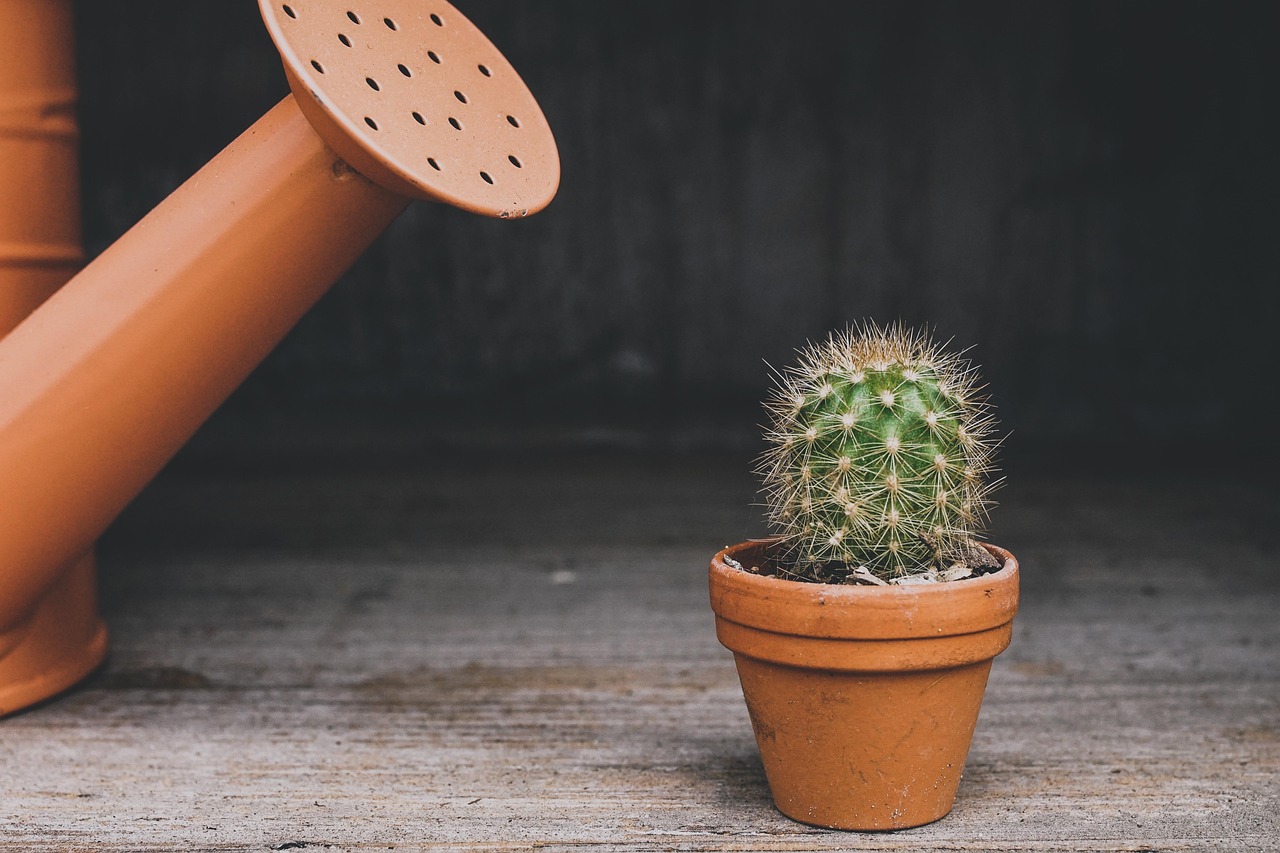
Pick a pot at least 30 to 40 centimetres across for a young bush, and be ready to move it into something larger within a couple of years. Gooseberries produce a substantial root system, and a cramped pot leads to poor growth and smaller fruit. Terracotta looks lovely but dries out quickly, so glazed ceramic or good-quality plastic pots hold moisture better. Whatever you choose, make sure there are generous drainage holes, because waterlogged roots are one of the few things that will genuinely kill a gooseberry.
Use a loam-based compost rather than a lightweight multipurpose mix. Loam-based compost holds nutrients and moisture far better in a container, and it gives the roots something substantial to grip. Mix in a handful of slow-release fertiliser at planting time, and top-dress each spring with a fresh layer of compost. Gooseberries are heavy feeders during the fruiting season, so a liquid tomato feed every fortnight from flowering until harvest pays off in plumper berries.
Watering, Feeding, and Seasonal Care
During spring and summer, check your pots daily. On hot days you may need to water morning and evening. The soil should stay consistently moist but never soggy, and a layer of mulch over the surface helps slow evaporation. Move pots into partial shade during the hottest weeks if you notice leaf scorch, though gooseberries generally fruit best with a good few hours of sun.
Pruning is straightforward for container bushes. In winter, shorten the previous year's growth on the main stems and remove any shoots crowding the centre of the plant. This keeps air moving through the bush and reduces the risk of mildew, which is more common in the still, humid conditions containers can create. Watch for aphids on new tips in spring and pick off any sawfly larvae you spot chewing the leaves.
Repot every two to three years in late winter, teasing out some of the old compost and replacing it with fresh. Container gooseberries can crop for well over a decade with this routine. The fruit is worth the effort: sharp, translucent, and far better than anything you will find in a supermarket punnet. Whether you grow a red dessert variety for eating fresh or a green one for pies and jams, a potted gooseberry earns its space on any small patio.