Pruning Gooseberries: When, How, and Why It Matters More Than You Think
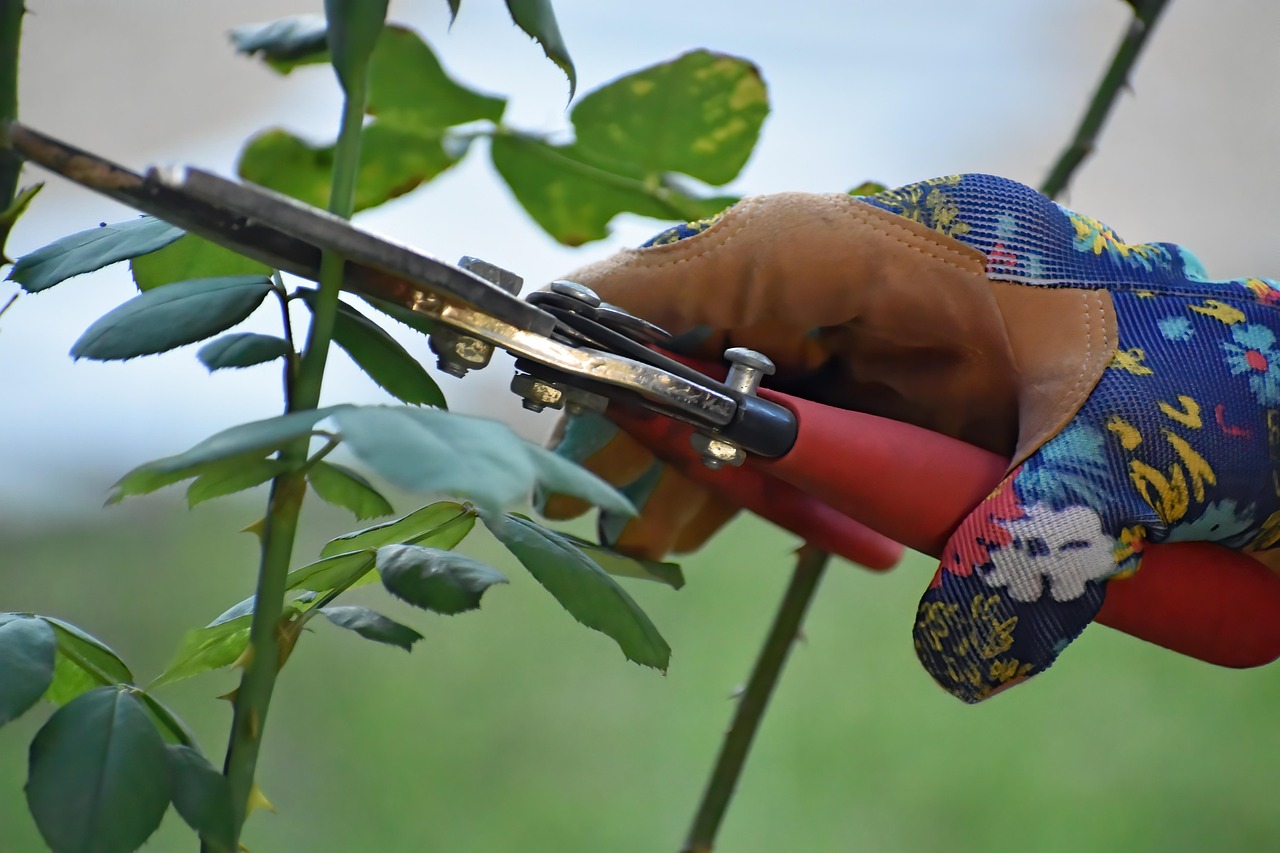
Gooseberries are forgiving plants, but they respond to pruning more dramatically than almost any other soft fruit. An unpruned bush gradually turns into a dense, thorny thicket that produces most of its fruit deep inside where you cannot reach it. A properly pruned bush, by contrast, keeps its fruit on the outside where it ripens evenly and where you can pick it without drawing blood. The good news is that the technique is simple once you understand what the plant is trying to do.
Gooseberries fruit mainly on spurs produced on wood that is one, two, or three years old. Older wood becomes less productive, and wood that is shaded produces little fruit at all. The goal of pruning is therefore to keep a steady supply of young growth coming through while removing the tired, crowded, and unproductive wood that saps the plant's energy.
The Winter Prune: Building the Framework
The main prune happens in winter, between leaf fall and the end of February, while the bush is dormant. Start by removing anything dead, diseased, or damaged, cutting back to clean wood. Then take out branches that cross through the centre of the bush or rub against each other, because these create wounds where disease can enter.
Next, look at the overall shape. Aim for an open goblet form with eight to ten main branches radiating from a short trunk, and a clear space in the middle. Shorten the previous season's growth on these main branches by about half, cutting to an outward-facing bud. This encourages the bush to spread rather than grow upward, and it prompts the side shoots that will carry next year's fruit.
Finally, cut back the side shoots that grew last summer to two or three buds. These short spurs are exactly what you want: compact, productive, and easy to reach. If your bush is very overgrown, do not try to fix everything in one year. Spread the renovation over two or three winters so the plant is not stripped of too much growth at once.
Summer Pruning and Ongoing Care
A light summer prune in late June or early July makes a real difference to fruit quality. Shorten the current season's side shoots to about five leaves, which lets light and air into the ripening fruit and reduces the humid, still conditions that encourage American gooseberry mildew. Do not remove the main shoot tips at this time, as they will carry the following year's growth.
Pruning is also your best defence against the two problems gooseberries suffer from most. Mildew shows up as grey-white felt on shoot tips and fruit, and an open, airy bush is far less vulnerable. Gooseberry sawfly larvae strip leaves with alarming speed in late spring, and a well-pruned bush is easier to inspect and to treat with a garden hose or a hand-pick.
Wear gloves, use sharp bypass secateurs, and never leave a ragged cut. If you are training a cordon or fan against a wall, the same principles apply but the framework is permanent, so all pruning focuses on shortening side shoots and maintaining the shape. Done consistently, a gooseberry bush will crop for fifteen years or more, and the fruit will be larger, cleaner, and much easier to harvest than anything an untended bush can offer.