Gooseberry Varieties Compared: Which One Should You Plant?
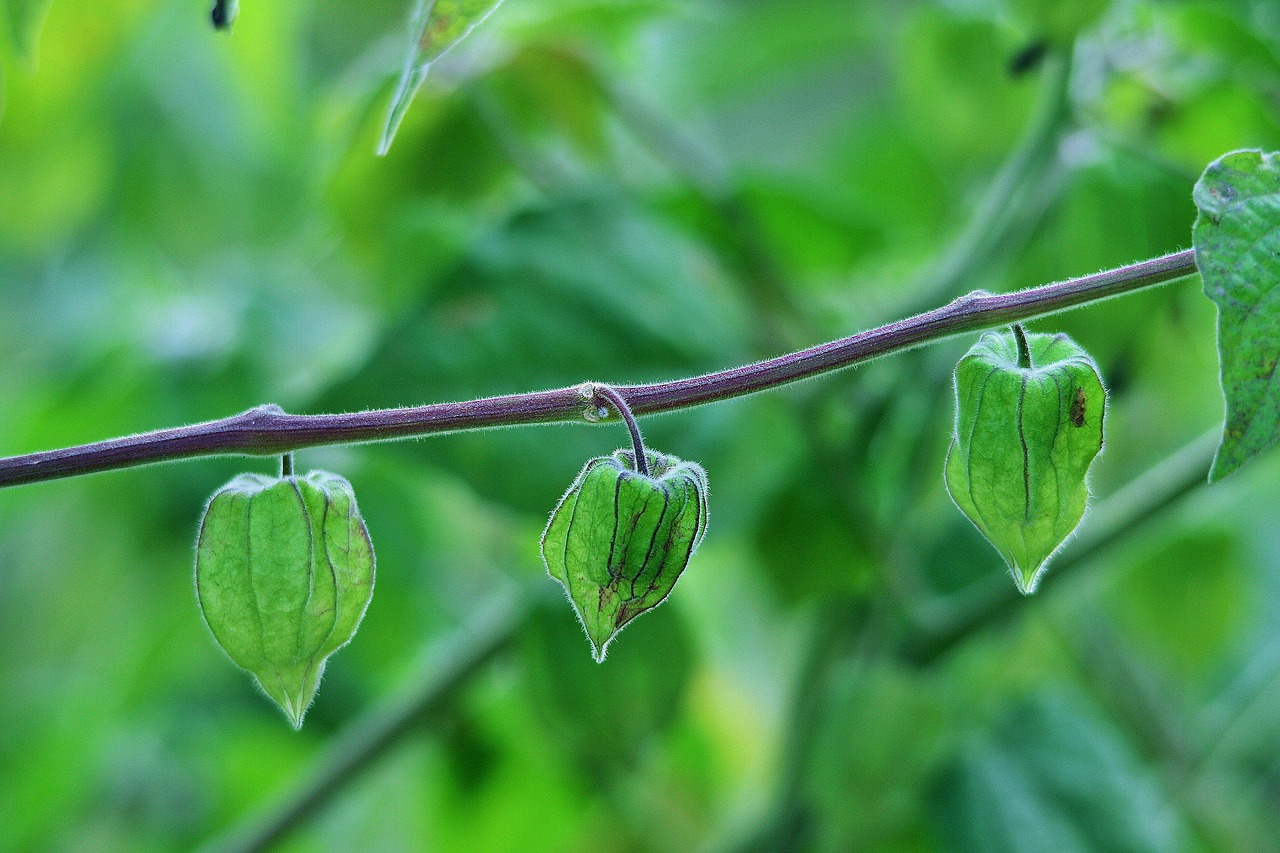
Walk into any good fruit nursery and you will find a dozen or more gooseberry varieties, and the labels rarely explain the differences clearly. Some are meant for eating straight off the bush, others for cooking, and a few do both jobs well. Picking the right one depends on what you want from the fruit, how much space you have, and how much trouble you are willing to take with disease. Here is a practical breakdown.
The first split is between dessert and culinary varieties. Dessert gooseberries are sweeter, larger, and often red or yellow when ripe. They are pleasant eaten fresh, though even the sweetest still has a pleasant tang. Culinary varieties are more acidic and usually green, and they are the ones to choose for pies, fools, jams, and chutneys. Many gardeners grow one of each and find that covers everything.
Reliable Varieties to Consider
For a classic green culinary gooseberry, look for a well-established variety known for heavy cropping and good flavour. These tend to be vigorous, tolerant of less-than-perfect soil, and generous enough that you will be giving fruit away by mid-summer. They are also the best choice for jam because their high acidity and pectin content set beautifully.
Among red dessert varieties, you will find both early and late croppers. Early types ripen in June and are best eaten fresh within a few days, while later varieties hang on the bush longer and hold their flavour well. Red gooseberries tend to be sweeter and less acidic than green ones, and they look stunning in a bowl or on a tart.
If mildew has been a problem in your garden, seek out varieties bred for resistance. American gooseberry mildew is the most common frustration for growers in damp or humid areas, and resistant varieties save you a great deal of spraying and picking over. Ask at a specialist nursery rather than a general garden centre, because they will know which varieties perform well in your local conditions.
Choosing by Space, Use, and Climate
If space is tight, consider a cordon or fan-trained form, which takes up a fraction of the room of a free-standing bush. These are usually grown from vigorous varieties and can be planted against a sunny wall or fence. Container growers should look for compact or dwarf varieties, which stay manageable in a large pot.
Climate matters too. Gooseberries crop best in regions with cool, moist summers, and they struggle in hot, dry conditions without shade and reliable irrigation. In warmer areas, plant them where they get morning sun and afternoon shade, and mulch heavily to keep the roots cool. In cooler regions, they will happily take full sun.
Finally, think about harvest timing. Spreading early, mid, and late varieties across your plot means fresh gooseberries from June into August rather than a single overwhelming glut. Two or three bushes of different varieties will keep a family in fruit for the whole season, with enough spare for the freezer and a batch of chutney. Visit a pick-your-own farm if you can, taste a few varieties, and plant the ones you actually enjoy eating. That is a far better guide than any label.