Classic Gooseberry Fool and Other Old-Fashioned Desserts Worth Reviving
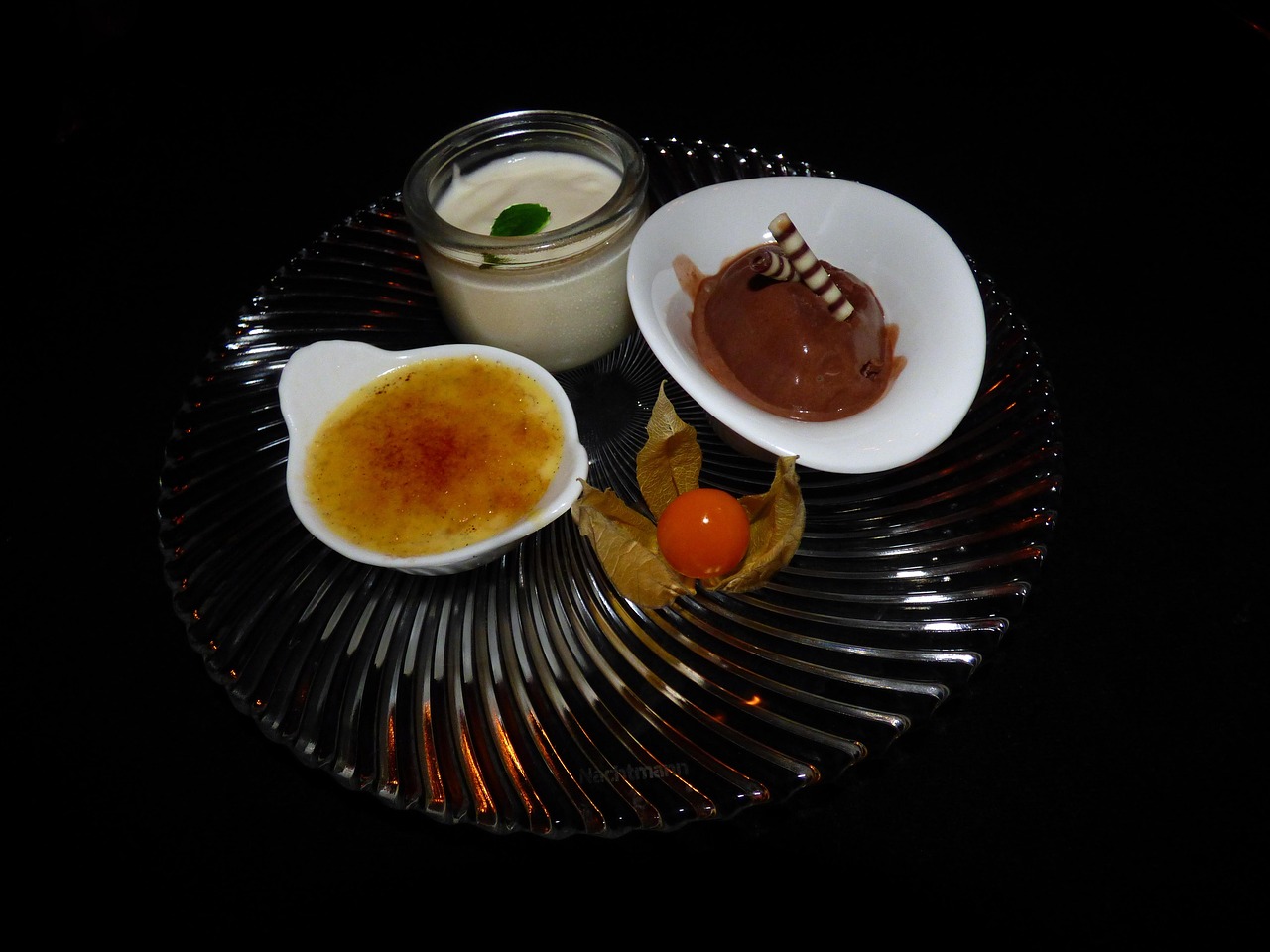
Few desserts are as simple or as satisfying as a gooseberry fool. The name comes from an old French word meaning crushed or mashed, and that is essentially the whole recipe: cooked gooseberries folded through sweetened cream. It takes twenty minutes, uses five ingredients, and tastes like something you would pay far too much for in a restaurant. If you grow gooseberries, this should be your first port of call every June.
To make a fool for four people, top and tail 400 grams of gooseberries and simmer them with two tablespoons of water and sugar to taste. Green gooseberries need more sugar than ripe red ones, so start with 80 grams and add more once the fruit has softened. Cook gently for about ten minutes until the berries collapse, then taste and adjust. Let the mixture cool completely, then swirl it through 300 millilitres of lightly whipped double cream. Leave a few streaks rather than stirring it smooth, and serve with shortbread or a plain sponge finger.
Beyond the Fool: Pies, Crumbles, and Chutneys
Gooseberry crumble is the fool's colder-weather cousin. The fruit's natural acidity cuts through a buttery oat topping beautifully, and a handful of elderflowers added during cooking gives the whole dish a delicate, floral note that has been a British kitchen trick for generations. If you are making a pie, pair gooseberries with a little grated orange zest rather than lemon, which can push the tartness too far.
On the savoury side, gooseberry chutney deserves a place in every preserving cupboard. Simmer the fruit with onions, cider vinegar, brown sugar, mustard seeds, and a pinch of chilli until thick and glossy. The result is sharp, fruity, and excellent with cheese, cold meats, or a pork pie. Gooseberry sauce, lightly sweetened and served warm, is the traditional accompaniment to mackerel, and it works just as well with roast pork or duck.
Freezing, Preserving, and Using a Glut
Gooseberries freeze beautifully. Top and tail them, spread them on a tray to freeze individually, then bag them up. They will keep for a year and can go straight into crumbles, fools, or sauces without defrosting. This is the answer to the familiar problem of a bush that ripens all at once and produces more fruit than any household can eat fresh.
For jam, gooseberries are generous because they are naturally high in pectin. A straightforward jam with equal weights of fruit and sugar, plus a squeeze of lemon, sets reliably and keeps its bright green or deep red colour depending on the variety. Sieve half the fruit for a smoother texture if you like, or leave it all in for a chunkier preserve.
What all these recipes share is a willingness to let gooseberries be sharp. The mistake many cooks make is over-sweetening, which flattens the flavour into something generic. Taste as you go, hold back on the sugar, and let that bright acidity do its work. A gooseberry fool made with restraint is a far more interesting dessert than one drowned in sweetness, and the same principle applies to every pie, crumble, and chutney you make with this fruit.