The Real Math Behind Slots, Poker, and Sports Betting
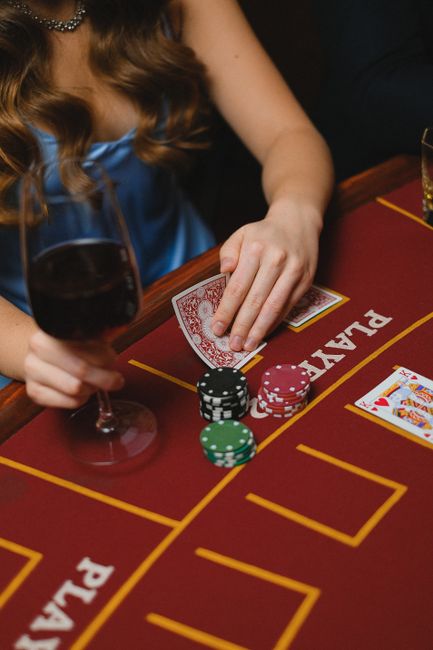
You sit down at a slot machine, ready to chase the jackpot. The reels spin, and you wonder: is there a pattern? Can I beat this? Meanwhile, your friend swears he's cracked the code to sports betting, and another is grinding low-stakes poker online. The truth is, each game has its own mathematical backbone, and understanding it separates the dreamers from the smart money. Let's cut through the noise and look at how these games actually work.
Slot Machines: The House Edge You Can't Ignore
Every slot machine runs on a Random Number Generator (RNG) that constantly cycles through thousands of numbers per second. When you hit the spin button, it locks in a sequence that determines the outcome. There's no hot or cold streak—just pure probability. But the critical number is the Return to Player (RTP).
Online slots typically have an RTP between 94% and 97%, meaning for every $100 wagered, the machine returns $94 to $97 over millions of spins. The house edge is the flip side: 3% to 6%. That might not sound like much, but it adds up fast. Consider a player spinning $1 per spin for an hour at 600 spins per hour. With a 5% house edge, the expected loss is $30. Ouch.
Volatility is another beast. High-volatility slots pay less often but with bigger potential wins. Low-volatility slots pay smaller amounts more frequently. Neither changes the RTP, but they change your bankroll's rollercoaster ride. For a closer look, slot mahjong has helpful details.
- Check the RTP before playing. It's often listed in the game's info section. Aim for 96% or higher.
- Set a loss limit and stick to it. Chasing losses is the fastest way to empty your wallet.
- Treat slots as entertainment, not an investment. The math is against you long-term.
Poker: The Game of Skill and Variance
Unlike slots, poker pits you against other players, not the house. The casino takes a rake—a small percentage of each pot—but your edge comes from outplaying opponents. That's why poker is considered a game of skill. However, variance is brutal. Even the best players can go on losing streaks lasting thousands of hands.
Consider this: in Texas Hold'em, if you get all your money in with pocket Aces against an opponent's pocket Kings, you win about 80% of the time. That means you lose one out of five times. Over a small sample, you might lose multiple times in a row. But over 100,000 hands, the math evens out, and the better player profits.
Bankroll management is non-negotiable. A common rule for cash games is to have at least 20 buy-ins for the stakes you play. For a $1/$2 game with a $200 buy-in, that's $4,000. For tournaments, it's 50 to 100 buy-ins. This cushion absorbs variance and keeps you from going broke.
Key Poker Concepts
- Pot odds: Compare the cost of a call to the size of the pot. If you have a flush draw, you need about 4:1 odds to call profitably.
- Position: Acting last gives you more information. Play tighter in early position, looser on the button.
- Player tendencies: Identify who bluffs too much and who only bets with the nuts. Exploit them.
Poker is not about winning every hand; it's about making the most profitable decisions over time.
Sports Betting: Beating the Closing Line
Sports betting is a different animal. The bookmaker sets odds based on public perception and sharp money. Your goal is to find value—bets where the true probability of an outcome is higher than the implied probability from the odds. For example, if the odds imply a 50% chance but you believe the true chance is 60%, that's a value bet.
The efficient market hypothesis says that closing lines (the odds just before the event starts) are the most accurate predictor. Consistently beating the closing line is a sign of skill. But it's hard. Bookmakers employ quants and use algorithms to adjust lines. The average bettor loses about 4-5% of their stake due to the vig (commission).
Professional sports bettors often focus on niche markets: obscure leagues, player props, or live betting. They also line shop, having accounts at multiple sportsbooks to get the best price. A difference of half a point in the spread can turn a losing bet into a winner.
- Understand implied probability: Convert odds to percentages. For decimal odds, divide 1 by the odds. For American odds, use the formula.
- Track your bets: Record every wager, including stake, odds, and outcome. Analyze your ROI.
- Specialize: Focus on one or two sports or leagues. Know the teams, injuries, and weather conditions.
- Bankroll management: Bet 1-2% of your bankroll per play. Never chase.
Remember, even the best bettors hit only 55-60% of their picks. It's a grind, not a get-rich-quick scheme.
The Psychology of Gambling: Why We Fall for Traps
Your brain is wired to seek rewards, and gambling exploits that. Near-misses—when a slot shows two cherries and a lemon—trigger the same dopamine response as a win. This is why you keep spinning. The illusion of control makes you think you can influence random events. In poker, tilt—emotional decision-making after a bad beat—can destroy your bankroll.
Casinos and online platforms use this psychology. They offer free spins, loyalty programs, and flashy animations to keep you playing. The house doesn't need to cheat; the math is enough.
To stay in control, set time and money limits. Use tools like deposit limits, self-exclusion, and reality checks. If gambling stops being fun, walk away.
Myths vs. Reality
- Myth: A slot machine is due for a payout after a dry spell. Reality: Each spin is independent. The RNG has no memory.
- Myth: You can make a living from sports betting with a simple system. Reality: Only a tiny fraction of bettors profit long-term. It requires skill, discipline, and capital.
- Myth: Poker is pure luck. Reality: Short-term luck matters, but long-term skill wins. The best players consistently make final tables.
Understanding these differences helps you choose where to spend your money and time. If you want a shot at skill-based profit, poker is your best bet. If you enjoy the thrill of slots, set strict limits. Sports betting can be profitable if you're disciplined and sharp, but it's a grind.
Final Thoughts
iGaming is a spectrum of entertainment and potential profit. The key is to know which game you're playing and respect the math. Slots are built for fun, not income. Poker rewards patience and study. Sports betting demands analytical rigor. No matter your poison, never bet more than you can afford to lose. The house always has an edge in the long run—unless you're the one holding the edge. So, which side do you want to be on?